Follow the development of Lords & Empires closely. New features, updates, and behind the scenes.
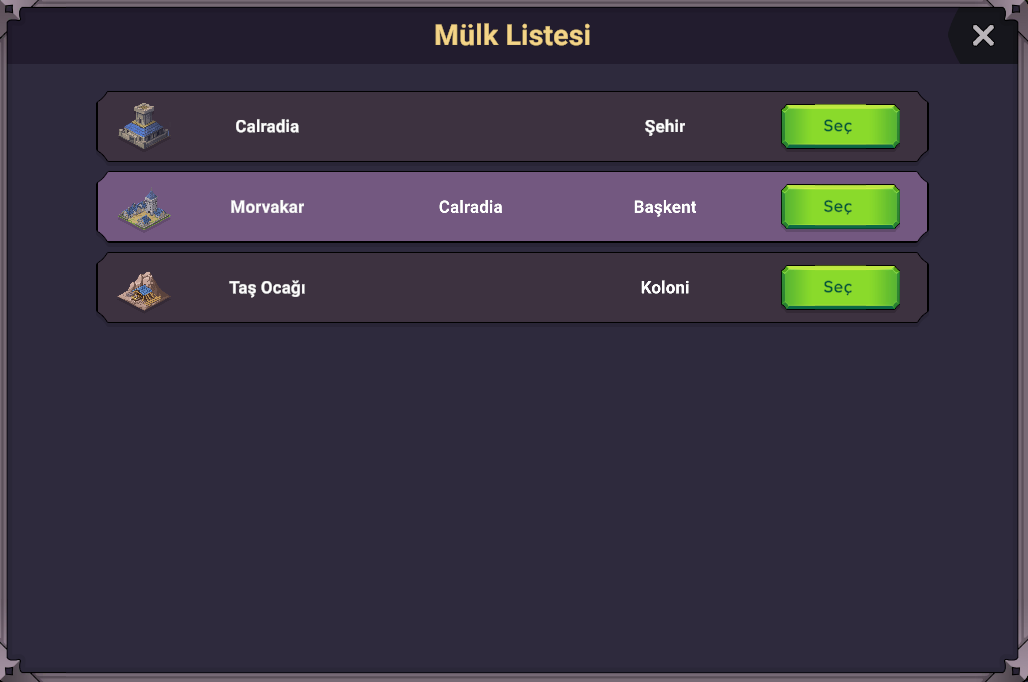
The land hierarchy in Lords&Empires consists of Capitals, Cities, and Colonies. Capitals are permanent main bases, Cities can be conquered and provide economic or military bonuses, while Colonies are player-built outposts that can be captured or completely destroyed.
Read More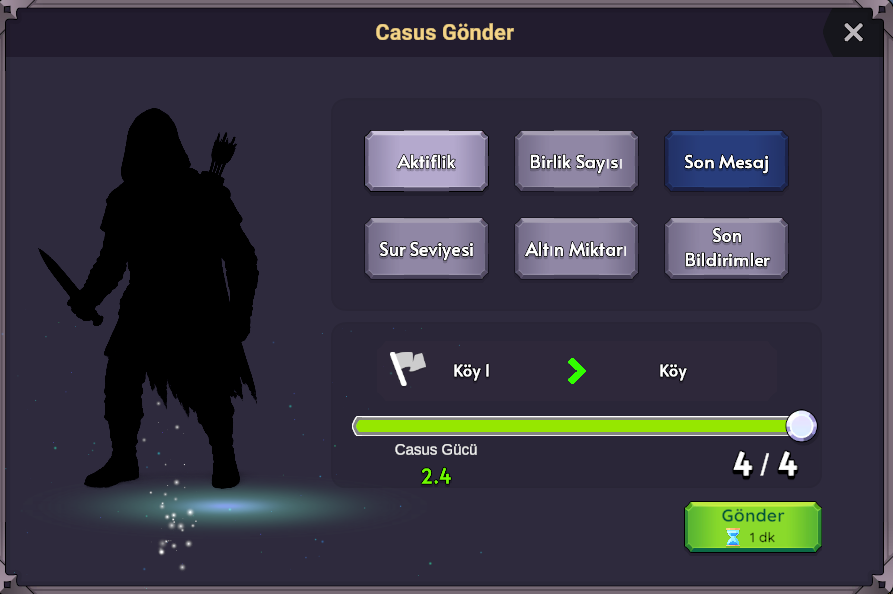
This developer diary introduces the espionage system in Lords & Empires. Players can train spies through the Intelligence Guild to gather information about rivals such as activity, troop count, wall level, and gold. Spy missions may succeed, fail unnoticed, or be captured revealing your identity.
Read More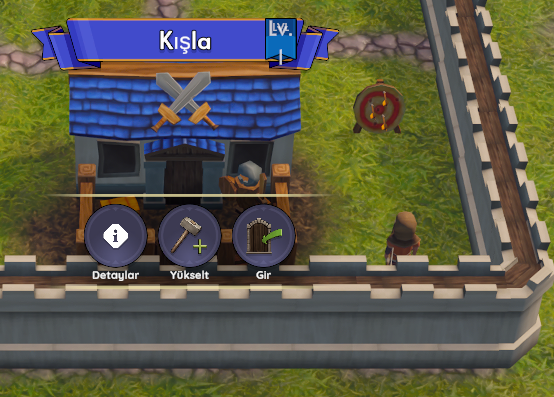
In this developer diary, we explored the resource production and collection system of buildings in our capital, along with the building panels. Buildings generate gold, wood, stone, iron, food, honor, and population over time. We also explained how the information, upgrade, and special feature panels work.
Read More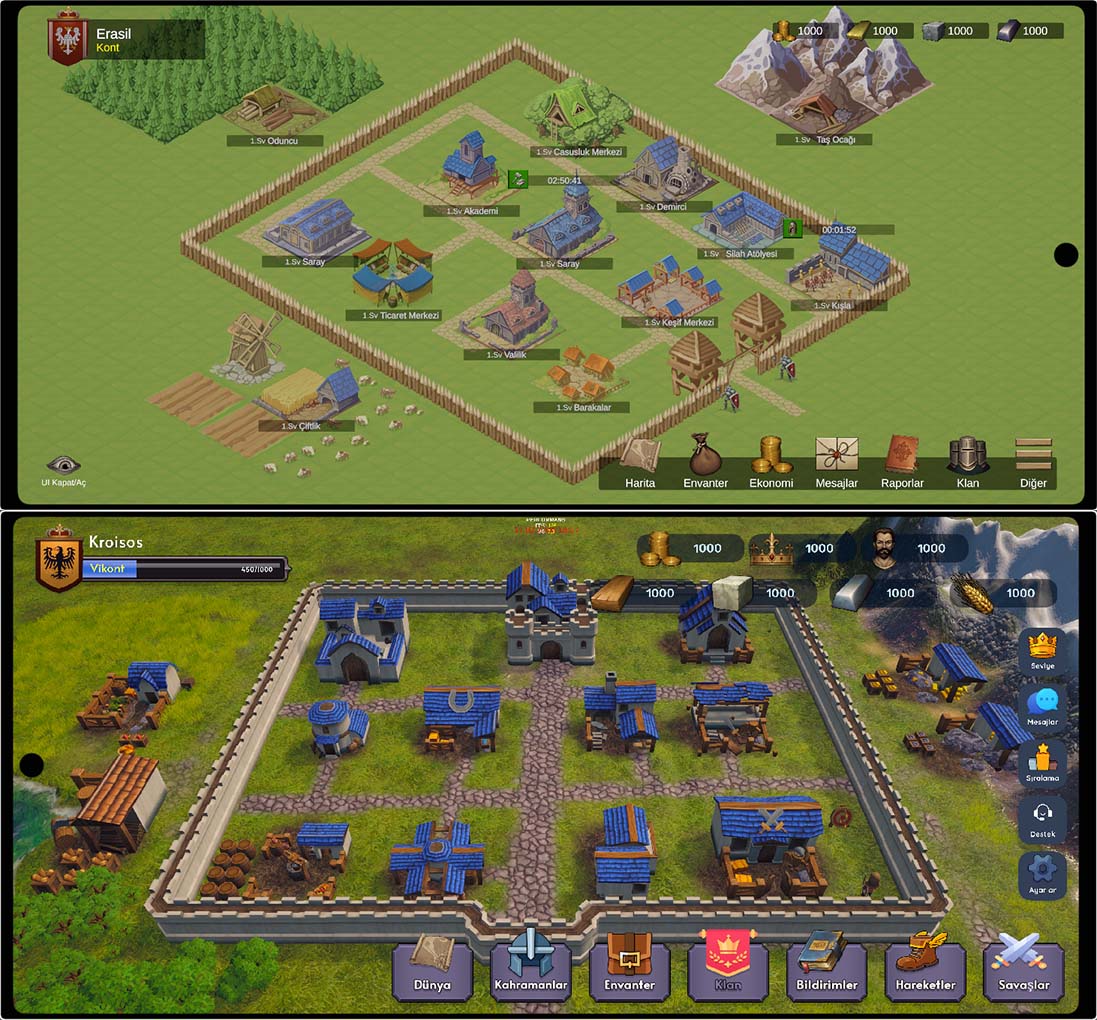
In this week’s developer diary, we shared major visual and UI improvements in Lords & Empires. The village view was upgraded from 2D to 3D, allowing a more dynamic and animated environment. The main UI, panels, and subpanels were fully redesigned to match modern strategy game standards.
Read More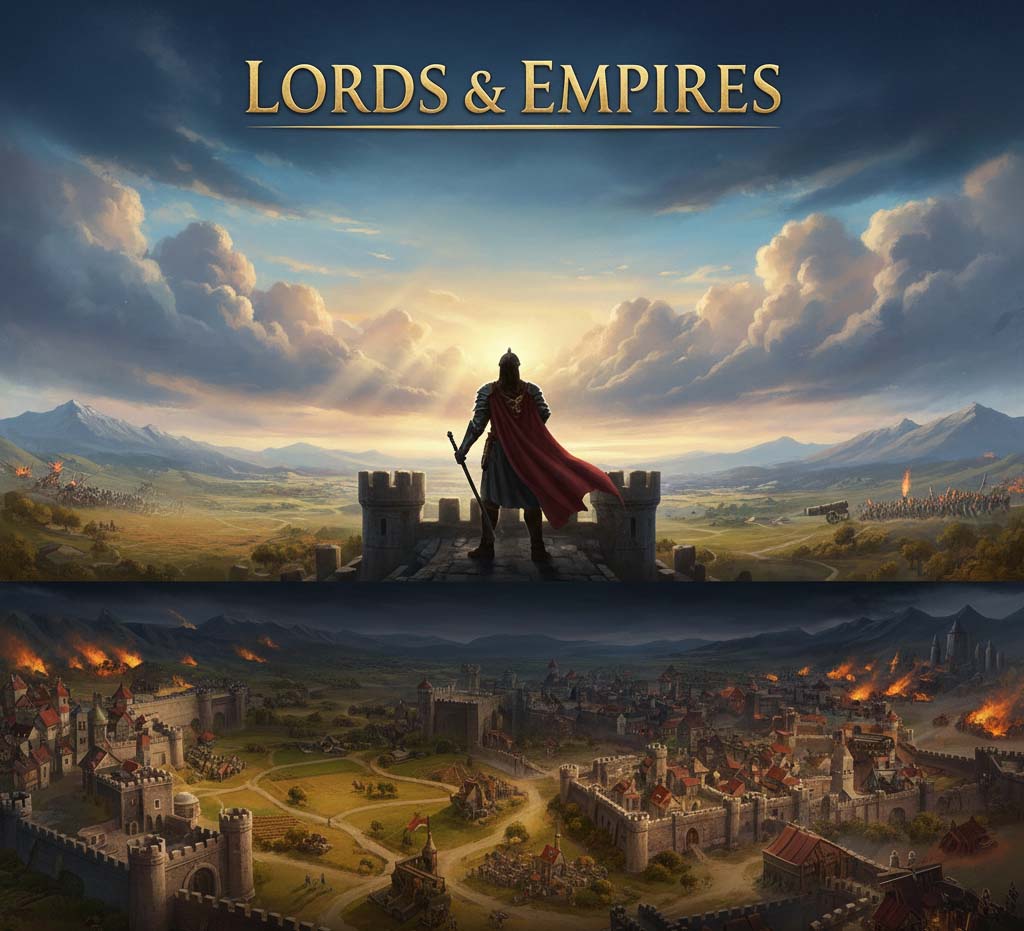
Lords & Empires is not being developed as a fast-consumed conquest game, but as a strategic experience where decisions have real consequences and power is not defined by numbers alone. In this devlog series, we will transparently share the game’s vision, development process, and the decisions we make along the way.
Read More